A strong password, a suspicious link, an unknown message, or a seemingly harmless social media post can sometimes make all the difference between a safe digital experience and a risky one. Recognising the need to equip young learners with the skills to make responsible choices online, The Khaitan School, Noida organised a week-long Digital Awareness Drive for students of the Primary Wing from 13 to 17 July 2025.
Rather than limiting digital safety to classroom discussions, the initiative turned students themselves into ambassadors of responsible digital behaviour. The drive began with students taking a pledge to become Responsible Digital Citizens, setting the tone for a week centred around awareness, responsibility, and mindful technology use.
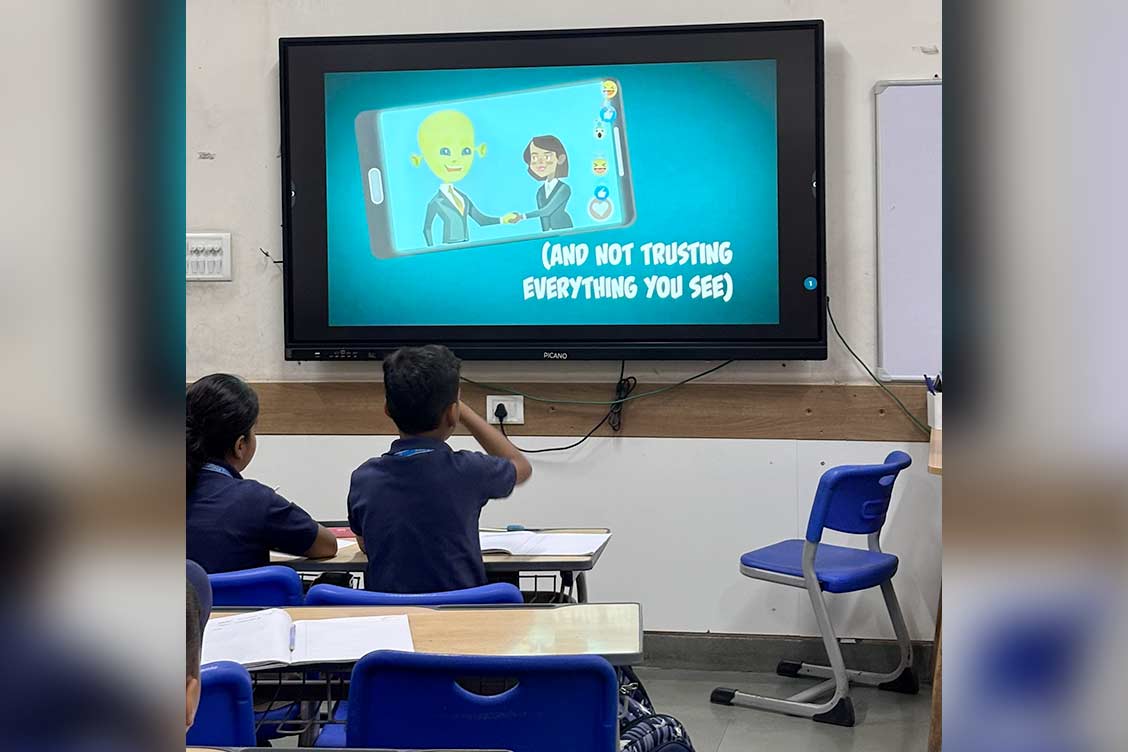
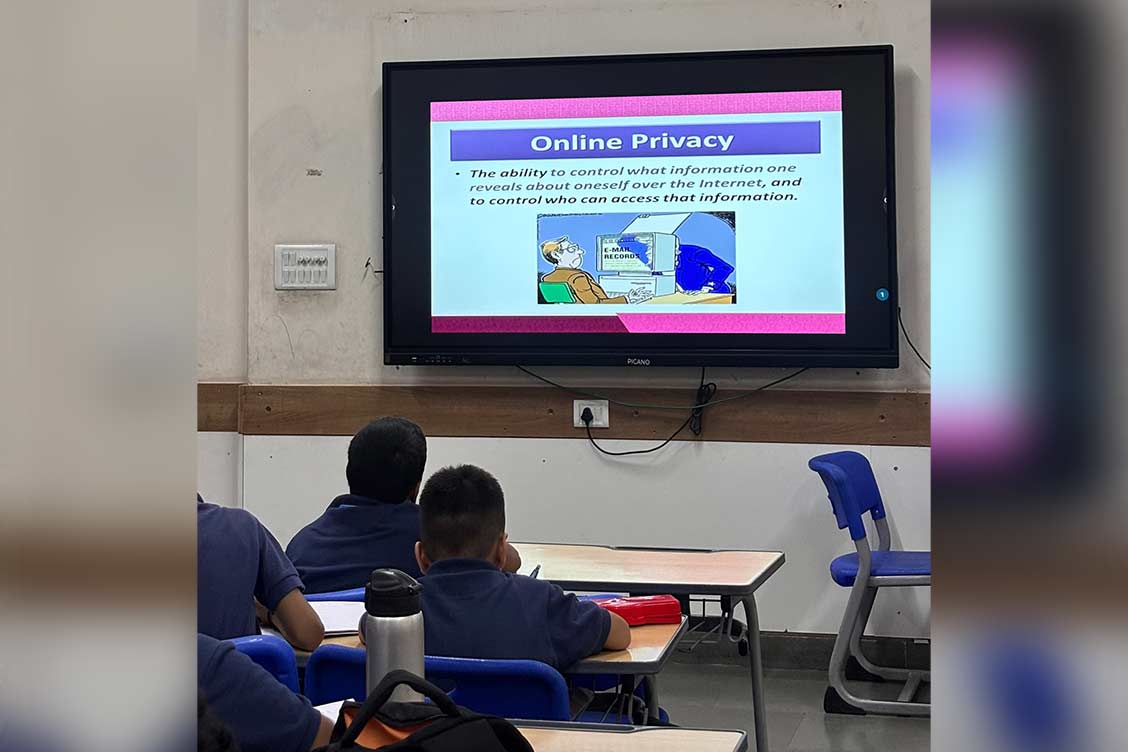
Throughout the week, students explored several aspects of the digital world that are increasingly relevant to their everyday lives. Discussions focused on media balance, personal and private information, cyberbullying, online scams, password security, and responsible internet usage. The activities were designed to help students understand not only what to do online, but also why certain choices matter.
The most distinctive feature of the initiative was the way students took the message beyond their own classrooms.
Class III students reached out to the School’s helping staff, sharing simple but important precautions for staying safe online. They spoke about creating strong passwords, keeping passwords and OTPs confidential, and seeking immediate help in case of online fraud or scams. They also highlighted the Cyber Crime Helpline, 1930, as an important avenue for reporting online financial fraud.
The conversation continued with Class IV students interacting with teachers. Their sessions focused on practical digital safety habits, including using secure passwords, recognising suspicious links, protecting personal information, and exercising caution while navigating online platforms.
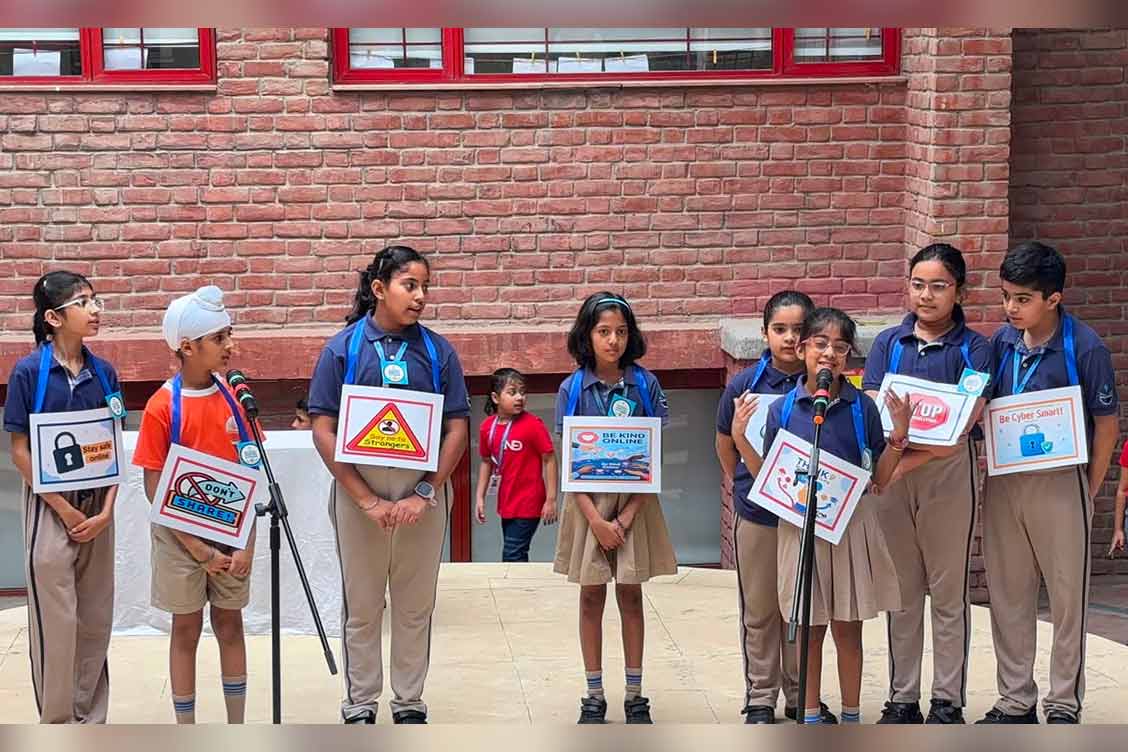
For the Class V students, the conversation moved towards some of the more complex challenges emerging in the digital landscape. Their sessions addressed cyberbullying through the simple yet powerful message—“Be Kind Online.”
They also introduced students and teachers to the growing role of Artificial Intelligence in online scams. From deepfake videos and voice cloning to phishing messages and fake job offers on platforms such as LinkedIn, students explored how technology can sometimes be misused to deceive people. They emphasised the importance of checking the authenticity of information, verifying sources before responding, protecting personal details, and reporting suspicious activity.
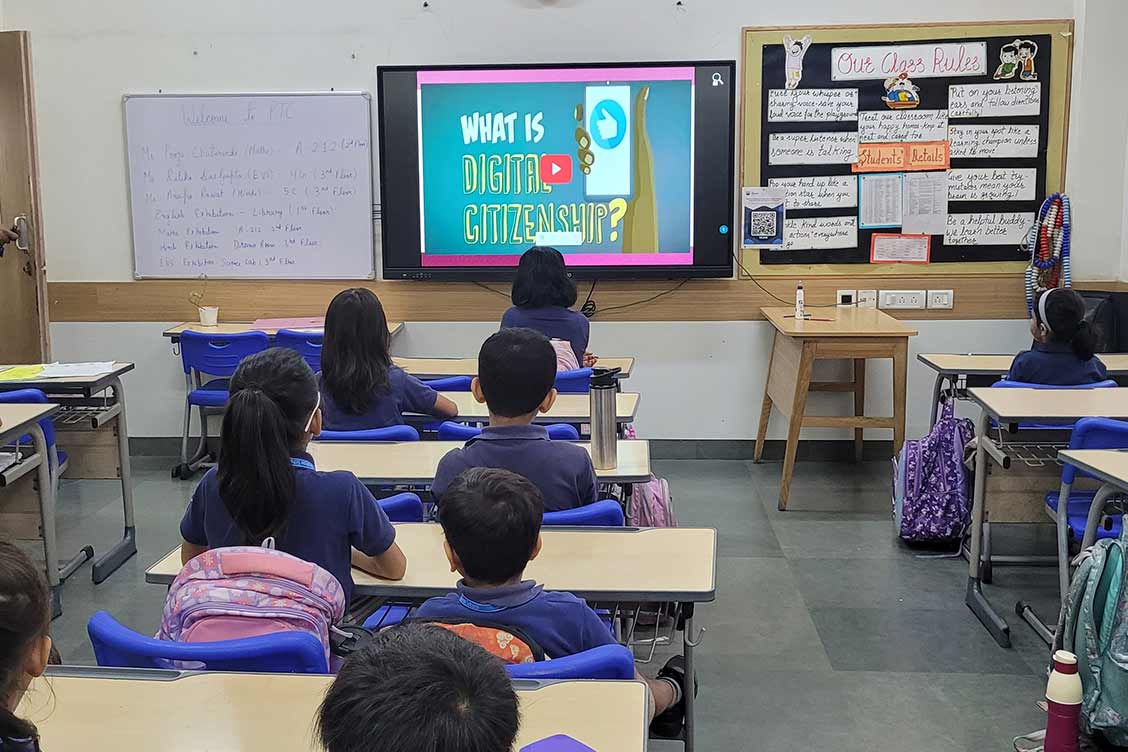
The learning continued at home as well. Daily digital safety tips were shared with students and parents, encouraging families to make online experiences safer, healthier, and more positive for children.
The week concluded on a creative note. During circle time, Class III students worked on drafting their own digital citizenship pledge, while students of Classes IV and V completed a takeaway activity sheet on “How They Can Be Good Digital Citizens.” These activities gave students an opportunity to turn the week’s learning into personal commitments and everyday actions.
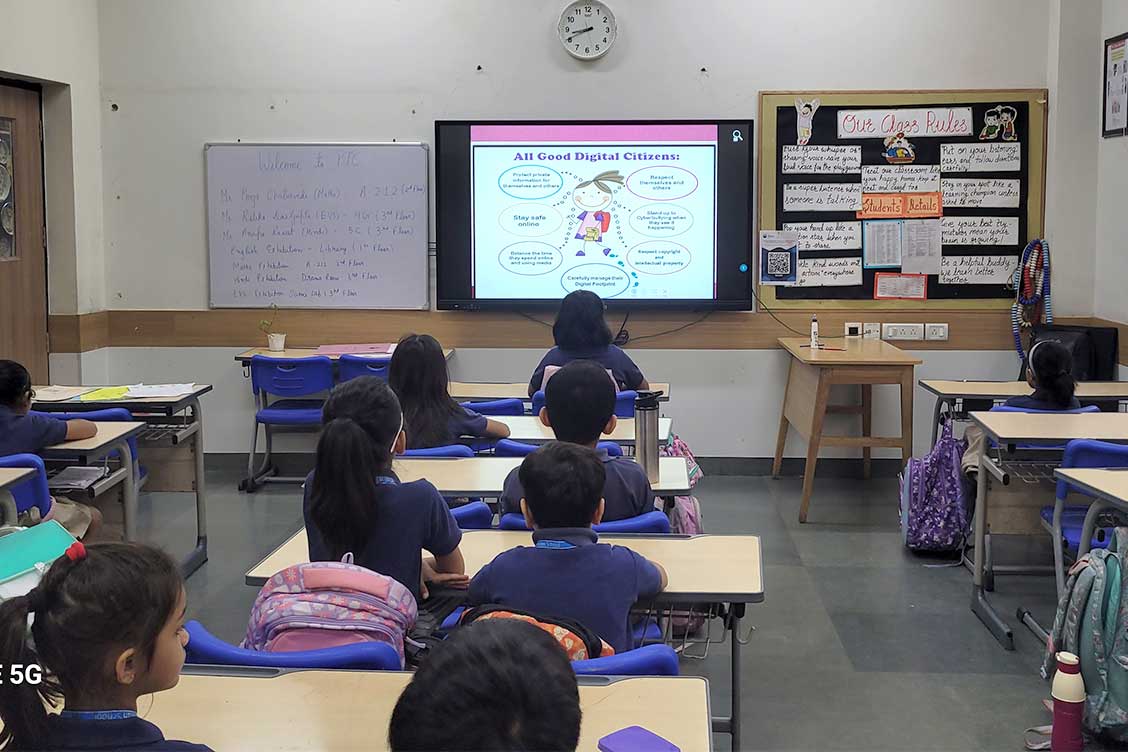
The Digital Awareness Drive demonstrated an important principle: children should not simply be taught how to use technology—they should also understand how to use it wisely. By giving students the responsibility of spreading the message themselves, The Khaitan School created a learning experience that extended beyond digital awareness into leadership, peer education, and responsible citizenship.
In an increasingly connected world, the ability to pause, question, verify, protect, and act responsibly is becoming as important as the ability to click, search, share, and create. The initiative encouraged students to take those first steps towards becoming thoughtful and responsible citizens of the digital world.
